

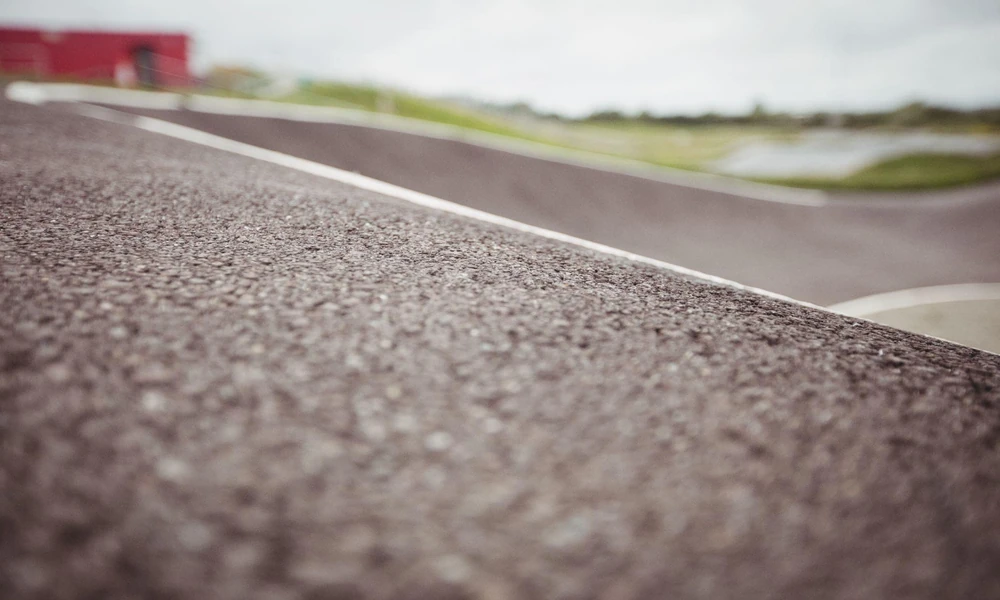
The edges of a road often deteriorate long before the centre of the lane shows serious wear. Cracks appear along the outer line, chunks of material break away and the shoulder may drop several centimetres below the road surface. Edge damage is a common problem on rural roads, narrow lanes and routes without kerbs, where asphalt pavement meets soft or unpaved shoulders. Understanding what drives this breakdown helps road owners plan repairs and prevent the damage from spreading into the travelled lane.
Lack of Lateral Support
The edge of a pavement relies on the shoulder to hold it in place. When that support weakens, the asphalt can crack and crumble, especially in situations like these:
- Unpaved or gravel shoulders that move or settle under load.
- Shoulders built with soft soil that cannot resist sideways pressure.
- Narrow roads where there is little or no shoulder at all.
- Gaps between the pavement edge and the shoulder material.
Water Infiltration and Poor Drainage
Water is one of the main causes of edge failure. When it collects at the road edge or seeps underneath, it weakens the layers supporting the surface, often through problems such as these:
- Shoulders that slope towards the road instead of away from it.
- Blocked roadside drains or ditches that cause water to pond.
- Cracks along the edge that let rainwater reach the base and subgrade.
- Saturated soils that lose strength, especially after prolonged rain.
- Erosion that washes away shoulder material during heavy storms.
Heavy Vehicles Running Near the Edge
Traffic loads are usually heaviest where wheels travel, and narrow roads push vehicles closer to the edge. The asphalt pavement at the outer margin often receives less structural support than the centre, making it vulnerable in cases like these:
- Trucks and buses pulling onto the shoulder to pass or stop.
- Agricultural or construction vehicles using rural roads.
- Vehicles mounting the edge on tight bends or narrow sections.
- Repeated parking or loading along the roadside.
Weak Construction at the Edge
How the road was built has a large influence on how long its edges last. Construction issues that commonly lead to early edge failure include the following:
- Poor compaction at the outer edge, where rollers may not reach fully.
- Thinner asphalt layers near the edge than in the centre of the lane.
- Base courses that stop short of the pavement edge.
- Unsealed or vertical edges that expose the layers to water and air.
- Road widening joints that were not bonded to the original pavement.
Shoulder Drop-Off and Erosion
Over time, shoulders can wear down or settle, leaving a step between the road surface and the shoulder. This drop-off contributes to further edge damage through effects such as these:
- Unsupported pavement edges that break away under wheel loads.
- Vehicles dropping off the edge and striking it when returning to the lane.
- Water channelling along the step and eroding more material.
- Increased safety risks for drivers who leave the carriageway.
- Loose material from the shoulder being carried onto the road surface.
Ageing, Heat and Vegetation
Environmental factors also play a part, especially where maintenance is infrequent. Common contributors include these:
- Oxidation of the binder from sun and heat, making the edge brittle.
- Tree roots growing beneath the pavement and lifting the edge.
- Grass and weeds growing into cracks and widening them.
- Repeated heating and cooling that opens small cracks along the edge.
- Fuel or oil spills from parked vehicles that soften the binder.
Protecting Edges Before Damage Spreads
Edge breakdown rarely has a single cause. Improving drainage, maintaining shoulders, compacting edges properly during construction and sealing cracks early can all help limit the damage, while regular inspections allow repairs to be planned before small failures grow into larger problems.
Seeing cracks and crumbling along your road edges? Enquire with United E&P about a pavement assessment today.
