

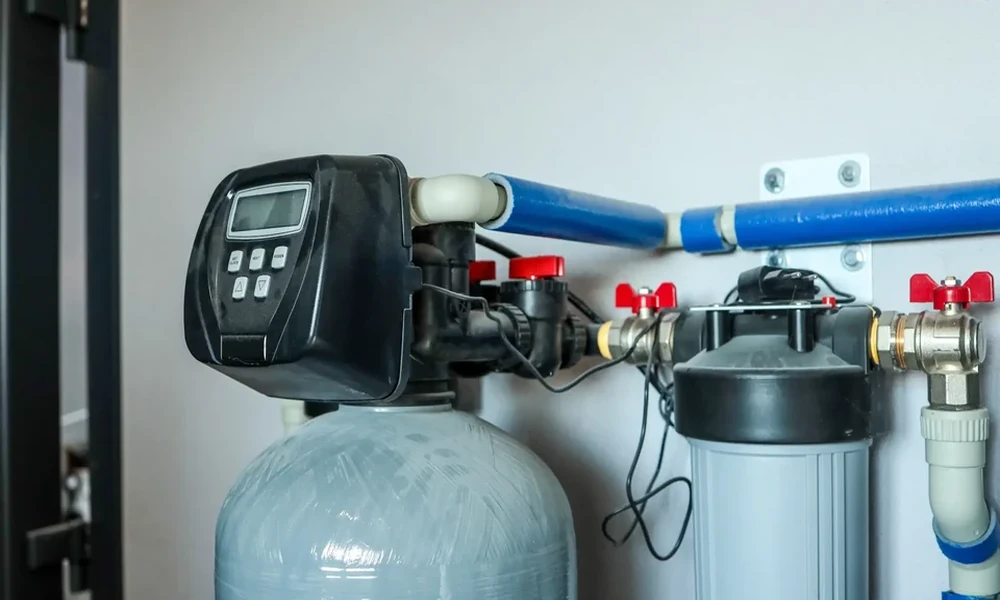
A water treatment system can only change what its media is built to grab. Carbon holds on to chlorine and the compounds behind odd tastes and smells. Softening resin trades away calcium and magnesium. A reverse osmosis membrane pushes water through pores so fine that most dissolved solids stay behind. Each one does its job well, and none of them does the other two jobs.
That gap is why so many Central Florida homeowners end up disappointed with a new system. Someone buys a filter expecting the white crust on the shower door to vanish, or installs a softener and wonders why the tap water still tastes like a pool. Comparing the options on the same terms, problem by problem, makes the right combination much easier to pick.
Homeowners weighing their options this fall have a timely reason to look closer, since Sanford Water Filtration specialists at Plumber Near Me are taking $500 off the Halo H2 Zero whole-house system, which pairs carbon filtration with salt-free scale conditioning in a single tank. The company, featured on FOX 35 Orlando, also installs traditional softeners and under-sink reverse osmosis units for homes from Lake Mary and Oviedo to Winter Park and Kissimmee. Questions about which setup suits a particular house can go straight to Bobby Lee at bobby@floridaplumbernearme.com.
Taste and Smell Belong to Carbon
Municipal water in Central Florida is disinfected before it reaches the house, and that disinfectant is what most people notice first. Granular or block carbon removes free chlorine efficiently, along with many organic compounds and the sulfur notes common in Florida groundwater. Chloramine, which some utilities use because it lasts longer in the pipes, is harder to remove. It takes catalytic carbon and more contact time, so tank size and flow rate matter.
A softener does almost nothing here. Water leaving a softener still carries its chlorine and its taste. When the main complaint is smell, dry skin after showers or a chemical taste in coffee, filtration is the tool.
Certifications help sort real claims from marketing. NSF’s overview of water treatment standards notes that no federal rules govern residential filters, so voluntary standards fill the gap. NSF/ANSI 42 covers aesthetic claims such as chlorine, taste and odor, while NSF/ANSI 53 covers health-related contaminants like lead. A product certified to one is not automatically certified to the other.
Scale Splits Into Two Approaches
Hardness is a separate problem with two very different answers.
A salt-based softener uses ion exchange. Calcium and magnesium cling to the resin beads and sodium is released in their place. The water truly becomes soft, which shows up as better lather, no spotting and almost no scale inside the water heater. The trade-offs are steady. The tank needs salt or potassium refills, it uses electricity to regenerate, and each regeneration sends brine down the drain. Homes on septic systems should talk through that discharge before choosing one.
Salt-free conditioners leave the minerals in the water. Depending on the design, they use template-assisted crystallization media or magnetic conditioning to change how calcium behaves, so less of it bonds to pipe walls and heating elements. A hardness test will read about the same before and after. Water spots on glass usually remain. In exchange, there is no salt, no brine, no added sodium and little or no upkeep. Results depend heavily on how hard the water is to begin with, which is why testing comes first.
The Systems Side by Side
| What you want fixed | Whole-house carbon | Salt-based softener | Salt-free conditioner | Under-sink RO |
|---|---|---|---|---|
| Chlorine taste and odor | Yes | No | No (unless paired with carbon) | Yes, at one tap |
| Hardness removed | No | Yes | No, minerals stay | Yes, at one tap |
| Scale on heaters and fixtures | No | Strong reduction | Reduction, varies by water | Not applicable |
| Spots on glass and shower doors | No | Yes | Usually still present | Not applicable |
| Salt or electricity | Neither | Both | Neither | Neither, in most units |
| Wastewater | Minimal | Brine at regeneration | None | Reject water with every fill |
| Typical upkeep | Media swap over years | Salt refills, resin check | Very little | Filters yearly, membrane every few years |
| Relevant NSF/ANSI standard | 42 and 53 | 44 | No NSF/ANSI standard | 58 |
Reverse Osmosis Covers the Glass
Reverse osmosis works at a single point of use, usually the kitchen sink and sometimes the refrigerator line. It strips out most dissolved solids, including hardness minerals, sodium, nitrates and fluoride. That makes it a natural partner for a softener, since it removes the extra sodium from the water people actually drink.
RO has its own costs. Every gallon of purified water sends some reject water to the drain, though newer units waste far less than older ones. Flow is slow, so a storage tank or a tankless RO unit with a booster pump is common. Prefilters protect the membrane from chlorine, and in hard water the membrane lasts longer when a softener or conditioner sits upstream.
Building the Right Combination
Most homes need two of these tools rather than one. The starting point is data. Every water utility must publish an annual Consumer Confidence Report listing its source water, disinfectant and detected contaminants, and many include a hardness figure. Private well owners in the outer parts of Seminole and Orange counties need an independent lab test instead, since iron and sulfur can change the whole plan.
From there, the pairings tend to fall into three patterns. Moderate hardness with a chlorine complaint suits carbon with salt-free conditioning. Hard water with visible scale suits carbon ahead of a true softener, which also keeps chlorine from breaking down the resin. Either setup can add reverse osmosis at the kitchen sink for drinking and cooking water.
Placement matters as much as the equipment. Whole-house systems belong at the main line after the meter, with a bypass valve so service never shuts off the house. Many installers leave outdoor hose bibs untreated, which saves media and salt on lawn water. Matching each system to the problem it actually solves is what separates a setup homeowners stop thinking about from one they keep troubleshooting.
