

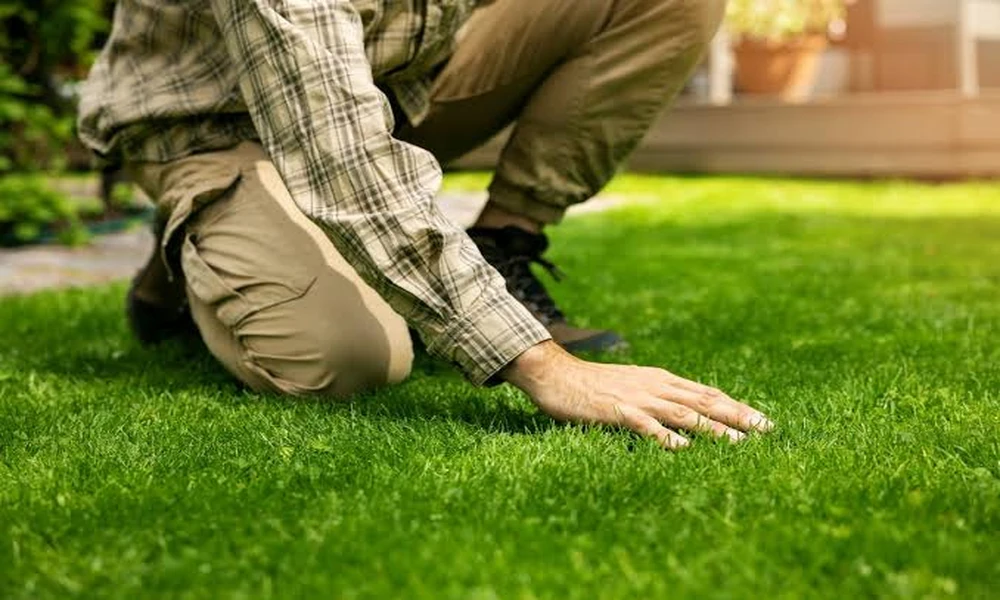
Three weeks of dry heat will expose every weak spot in a lawn you thought was fine in May. The patch by the driveway goes straw-colored first. The shady corner thins out. A weed you never noticed suddenly owns the strip along the fence. None of that is random.
Your grass is reporting on soil, water, and mowing habits in real time, and late summer is when the report is easiest to read. Spend one afternoon walking your yard with a hose in your hand before you call anyone. If you’d rather hand the diagnosis to a crew that knows the local soil, lawn care in Dover, DE, covers everything from aeration to overseeding, and it saves you a season of guessing.
Here’s what I’ve learned from years of watching late summer damage turn into fall repairs. Read the lawn first. Buy nothing until you can name what’s wrong.
What is your grass actually saying in late summer?
Grass doesn’t fail quietly. It leaves clues, and each one points at a different cause. The trick is telling thirst apart from disease, and disease apart from soil compaction, because the fixes have nothing in common.
Start with the screwdriver test. Push a long screwdriver into the soil about six inches. If it slides in with almost no effort, the problem is likely water delivery or heat stress. If it stops cold, you probably have compaction, and no amount of extra watering will fix that.
Then check the footprint. Walk across the lawn before sunrise. If your footprints stay visible for more than a few seconds, the blades aren’t springing back, which is an early sign of wilt. That’s the cheapest diagnostic tool you own and most people never use it.
Look at the shape of the damage. Brown spots in a ragged pattern near a downspout or a slope mean water is running off instead of soaking in. Brown patches that spread in a circle and grow outward overnight often mean fungus, especially after humid nights. A lawn that’s uniformly thin all over usually means the mower has been cutting too short, which weakens the plant and lets weeds win.
Watering mistakes you’re probably making right now
Most summer lawn problems start with a hose. People water a little every evening, the top inch of soil stays wet, roots stay shallow, and then one hot week torches the whole thing. You’ve trained your grass to be fragile.
Water deeply and less often. One or two long soakings a week that push moisture down four to six inches beat a nightly sprinkle every time. Early morning is the window you want, before the sun burns off the surface moisture and before evening watering leaves blades wet overnight. Wet blades after dark are an invitation for disease.
Keep an eye on your local watering rules too. Many towns restrict outdoor watering during dry stretches, and planning around those restrictions is easier than scrambling when they hit. Your county extension office is the best place to check what applies to your address.
Here’s the stance I’ll take: if your lawn is brown and crispy but the soil underneath is still cool and moist, don’t water it. That grass is dormant and it’s fine. Overwatering dormant turf in late summer is how people accidentally kill the root system they were trying to save.
Weed pressure tells you where the lawn is losing
Crabgrass, plantain, and dandelion don’t move into healthy, dense turf. They move into bare spots, thin spots, and soil that’s been scalped by a dull mower blade. A weed outbreak is a symptom, not the disease.
That means the fix isn’t a bottle. It’s density. Thicken the lawn and the weeds lose the fight for light and water without you spraying anything.
The timing matters more than people expect. Late summer into early fall is the window when cool-season grasses recover fastest and root growth is strongest, according to turf guidance from Virginia Tech, which is why September overseeding beats a spring attempt almost every time. Their point, and mine: work with the season instead of fighting it.
Before you seed, do two things. Get a soil test through your county extension office, and fix the mowing height. Raising the deck to three or three and a half inches during summer shades the soil, keeps moisture in, and starves weed seedlings of the light they need. A sharp blade matters just as much. Dull blades tear grass instead of cutting it, and torn tips turn white and brown within days.
Read the dirt under the grass before you spend a dollar
I’ve watched people spend a few hundred dollars on fertilizer and never once look at the soil. That’s like painting a house with a cracked foundation. Grass lives in dirt, and dirt is a living system with structure, biology, and a water-holding capacity that either helps you or quietly works against you.
Healthy topsoil behaves like a sponge. Compacted soil behaves like a parking lot. The USDA tracks soil health across the country, and their core message applies to a half-acre suburban yard as much as a farm field: soil that holds structure and organic matter handles drought far better than soil that doesn’t. You can improve both with aeration and by leaving grass clippings on the lawn, which return nutrients and organic matter for free.
The other quiet factor is the grass itself. Fescue, bluegrass, and ryegrass respond differently to August, and choosing the wrong species for your sun and shade profile means you’ll be fighting the calendar for years. If you’re starting over or patching a large area, match the seed to the spot. That single decision saves more effort than any fertilizer schedule.
The five-day recovery plan
Here’s how I’d approach a struggling lawn in the last stretch of summer, in order, without buying anything until day three.
Day 1: Walk the yard with a screwdriver and a checklist. Mark thin spots, weed clusters, and brown patches on a sketch. Note sun exposure for each zone.
Day 2: Run the footprint test at sunrise, then water one section deeply and check how far the moisture penetrates after an hour. That tells you whether your soil absorbs or repels water.
Day 3: Order a soil test. Check your mower blade and set the deck height for summer.
Day 4: Identify the worst weed pressure area and plan to overseed it in early fall, not now. Late summer seeding without watching the forecast is a waste of seed and water.
Day 5: Look up your local watering schedule and set a deep, twice-weekly routine instead of a nightly sprinkle. Then leave the lawn alone for a week and see how it responds.
I’d pick slow and cheap over fast and expensive every single time. Most late summer lawn problems are habit problems, and habits are free to change. For a broader look at how outdoor water use fits into your household footprint, the EPA has solid baseline guidance on efficiency that applies directly to how you set your irrigation.
What you should walk away knowing
Brown grass in August is information, not disaster. Tell thirst apart from compaction, fix your watering rhythm before you buy a product, seed during the fall window when the plant can actually use it, and get a soil test before you spend money on fertilizer. Those four moves handle the vast majority of what a late summer lawn complains about.
If the diagnosis still feels murky after a week of watching, that’s not a failure. Bring in someone who reads local soil every day and let them close the loop. Take a walk around your yard tonight with a screwdriver and see what it tells you. You might be surprised how much you already know.
