

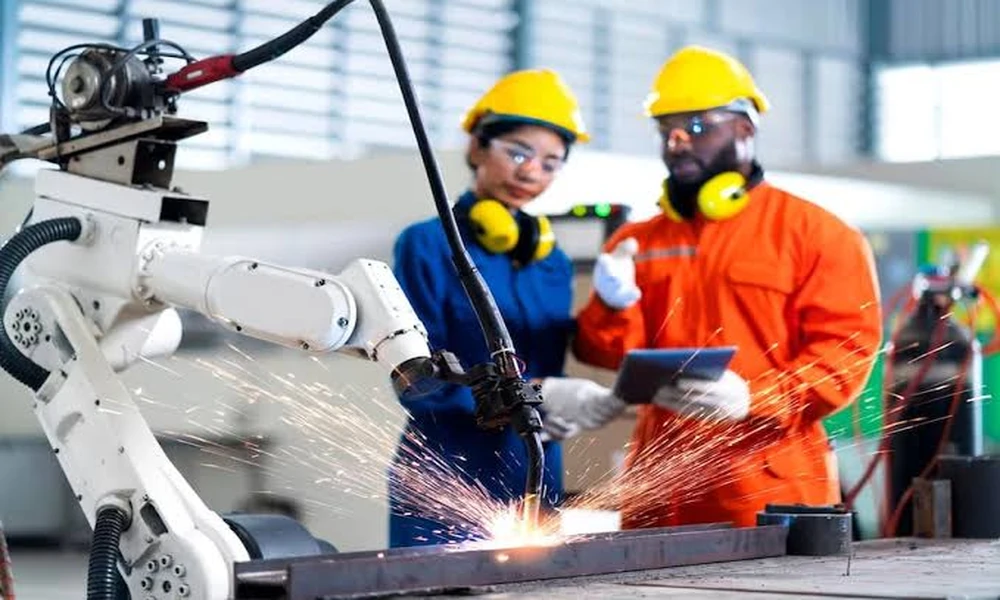
Modern industrial worksites hardly resemble those from a decade ago. The hum of machinery remains, but it’s now joined by Bluetooth notifications, crisp voice commands through wireless headsets, and real-time video streaming from rugged cameras. Portable technology, once limited to basic power tools and walkie-talkies, is rewriting what’s possible on the job, making operations swifter, smarter, and safer.
Evolution of Portable Technology in Industrial Operations
Portable tools once meant heavy, corded drills and basic two-way radios. Workers relied on muscle and manual know-how, with communication often delayed or lost in the noise. Today, the landscape is dominated by smart devices, from GPS-enabled dash cams to rechargeable LED headlamps, bringing a level of integration and efficiency that would have seemed far-fetched in the past.
The transition has been driven by several factors. Safety regulations have grown stricter, demanding real-time monitoring and communication. Global competition pushes for faster turnarounds, and digital-native workers expect the convenience they enjoy at home to extend to the jobsite.
Comparing Power Tools with Integrated Smart Features
Power tools are the backbone of any industrial operation, but even here, evolution is accelerating.
Traditional power tools deliver brute force and reliability. Their strengths lie in durability, but they fall short on adaptability and data sharing. Corded models, while powerful, tie workers down with their need for constant power sources.
Smart-enabled tools flip this script. These devices boast Bluetooth connectivity, app-based monitoring, and integration with jobsite management software. Instead of guessing battery levels or maintenance timelines, workers receive live alerts. Milwaukee and Dewalt, for example, have transformed their lines with these innovations. Milwaukee’s USB-rechargeable headlamps and jobsite earbuds boost both convenience and safety, while Dewalt’s Bluetooth radios double as battery chargers, merging functions for less downtime on site.
| Brand | Traditional Tool Example | Smart Feature Example | Key Benefits |
|————|————————–|————————————–|——————————|
| Dewalt | Corded drill | Bluetooth radio & battery charger | Multifunction, less downtime |
| Milwaukee | Basic headlamp | USB-rechargeable headlamp & earbuds | Enhanced mobility, safety |
| Klein Tools| Standard speaker | Bluetooth portable audio | Team collaboration |
Portable Communication Devices on Industrial Sites
Clear communication is non-negotiable in hazardous environments. Radios have long been essential, but their one-way, limited-range communication restricts collaboration.
Bluetooth and wireless jobsite speakers now allow teams to share updates hands-free, even in noisy locations. These devices integrate with smartphones for broader connectivity and support streaming of instructions or emergency notifications to the entire crew. The impact? Time saved, fewer misunderstandings, and a direct boost to productivity and safety.
Hands-free tech also reduces distractions. Workers can field calls, receive alerts, or listen to important updates without setting down tools, keeping their focus where it matters most.
Wearable Technology for Industrial Workers
Personal safety and performance monitoring have stepped into the future with wearables. Rechargeable LED headlamps, like those from Olight or Milwaukee, offer long runtimes and improved brightness compared to conventional battery-powered models, ensuring reliable visibility during night shifts or in confined spaces.
Hearing protection now goes beyond noise cancellation. Devices such as Bluetooth-enabled earmuffs combine protection with the ability to stream critical instructions or alerts. This dual function has proven invaluable on loud worksites where missing a message can mean more than just a missed deadline.
Some smart wearables even track health metrics or environmental conditions, alerting workers and supervisors to hazards before they escalate.
Mobile Imaging and Monitoring Devices
Industrial oversight is no longer limited by static cameras. Portable dash cams, like those from Garmin, deliver 140-degree or even 360-degree coverage, capturing incidents as they happen and providing evidence for safety audits.
Scene monitoring is further enhanced with rugged site cameras and portable telescopes, which support both security and quality checks. These innovations help spot dangers early and keep projects on schedule, providing a layer of accountability critical for modern operations.
Power Management and Battery Technology
Corded tools offer consistent power but restrict movement. Cordless options, propelled by advances in lithium-ion batteries and rapid chargers, grant unmatched flexibility. The trade-off between power and mobility is shrinking, as multi-volt systems let workers switch batteries between tools, minimizing downtime.
| Feature | Corded Tools | Cordless Tools | Multi-Volt Systems |
|——————|———————–|—————————-|———————————–|
| Mobility | Limited | High | Very high |
| Power Consistency| Always on | Depends on battery | Balanced, adaptable |
| Downtime | Minimal | More frequent charging | Reduced via swappable batteries |
Integration Challenges and User Adoption
Technological leaps are not without hurdles. Some workers struggle with device complexity, especially if interfaces are unintuitive. Training becomes vital to smooth the transition from analog to digital worksites. Feedback from industry professionals often points to the need for streamlined user experiences and robust training programs.
Yet, when adoption is well managed, the payoff is significant: higher productivity, fewer errors, and safer environments.
Future Trends and Innovations Shaping Industrial Portability
The next wave of advancement is already on the horizon. Expect artificial intelligence, IoT sensors, and 5G connectivity to further blur the line between physical and digital jobsite management. These technologies will automate routine tasks, deliver predictive maintenance, and enable real-time asset tracking, pushing operational efficiency even further.
As the pace accelerates, resources like GSM Depot electronics will become increasingly valuable for sourcing the latest gear, helping industrial teams remain at the cutting edge.
Adaptability is now the hallmark of industrial success. The future belongs to those who harness portable innovation, not just to get the job done, but to do it smarter, safer, and faster than ever before.
