

Key Highlights
- Individual metabolism and skin type significantly influence how long pigments remain visible.
- The composition of pigments used determines how colour fades over time.
- Proper aftercare is necessary to prevent premature pigment loss during the initial healing phase.
- Regular maintenance sessions are part of the process for preserving consistent definition.
- Environmental exposure, such as ultraviolet light, can accelerate the fading of cosmetic pigments.
Introduction
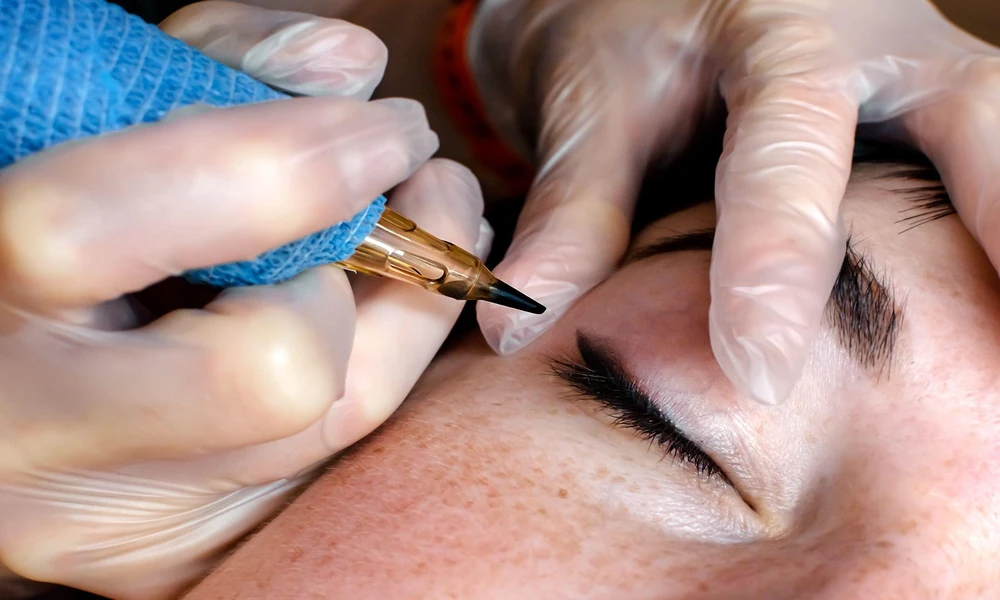
Eyeliner embroidery is a common method for achieving defined eyes without the daily application of cosmetic products. By depositing pigment into the dermal layer of the eyelid, this procedure provides a semi-permanent enhancement. For individuals considering this service, it is helpful to understand the variables that impact the longevity of the results and the nature of the pigments involved. Similar to the principles observed in Korean eyebrow embroidery, the success of the treatment depends on a combination of professional application, appropriate aftercare, and the body’s natural physiological response. Managing expectations regarding the lifespan of these results is an important part of the decision-making process.
Factors Influencing Pigment Retention
The retention of pigment is rarely identical from one person to another. Several biological factors contribute to how quickly or slowly the colour fades. The skin is a dynamic organ with a constant cycle of cell regeneration. This natural shedding process means that the dermis is always turning over, which gradually affects the concentration of the implanted pigment. Individuals with a faster cell turnover rate may notice that the pigment loses its intensity more quickly than those with slower skin regeneration. Additionally, the thickness of the skin on the eyelid is considerably thinner than on other parts of the face, which makes it particularly susceptible to external influences and natural metabolic processes.
The Role of Skin Physiology
Skin type plays a significant role in the outcome of eyeliner embroidery. Oily skin, for instance, may sometimes lead to more rapid pigment diffusion compared to dry or normal skin types. The natural oils produced by the skin can influence the stability of the pigment particles over time. Furthermore, age is a factor. As the skin matures, its structure changes, and collagen production decreases. These changes can alter the way the skin holds pigment, often resulting in a softer appearance as time progresses. Understanding one’s skin type allows for better anticipation of how the final result will settle and evolve.
Pigment Quality and Safety
The quality of the pigment used is fundamental to the long-term appearance of the treatment. Modern cosmetic tattooing relies on pigments specifically formulated for the delicate facial area. Unlike traditional tattoo inks, which were not designed for the face and could change colour to an undesirable blue or grey tone, these specialised pigments are intended to metabolise safely. They are designed to fade in a controlled and predictable manner. A professional technician will prioritise the use of high-grade materials to ensure that the pigment remains stable for as long as possible, minimising the risk of discolouration as the treatment naturally fades.
The Importance of Aftercare
Aftercare is perhaps the most significant factor that the client can control to ensure the longevity of their eyeliner embroidery. Immediately following the procedure, the skin requires protection from moisture, friction, and environmental contaminants. Following the specific instructions provided by the technician during the initial healing phase is essential. Avoiding activities such as swimming, heavy perspiration, or the application of skincare products containing active ingredients like retinol near the treated area helps the pigment to settle correctly. Neglecting these precautions can lead to poor healing, which may result in patchy or premature pigment loss. Whether one is maintaining results from eyeliner embroidery or Korean eyebrow embroidery, the commitment to aftercare practices directly correlates with the durability of the final result.
Maintenance and Longevity
It is important to recognise that semi-permanent makeup is not a permanent solution. Over time, all pigment applications will fade. Rather than expecting the result to remain at full intensity indefinitely, it is more realistic to view the process as requiring periodic maintenance. Scheduling touch-up sessions when the pigment begins to soften allows a technician to restore the definition and intensity. This approach maintains a consistent appearance and avoids the need for a full re-application. Regular maintenance is a standard aspect of cosmetic procedures, ensuring the results remain defined and aesthetic over the long term.
Conclusion
Achieving satisfying results with eyeliner embroidery involves an understanding of the interplay between biological factors, environmental exposure, and professional care. By focusing on quality application and adhering to necessary aftercare routines, individuals can enjoy the convenience and definition that this procedure offers. Managing expectations regarding the natural fading process and scheduling regular touch-ups ensures that the results remain aligned with one’s aesthetic goals.
For further information or to book a consultation to discuss your specific needs, contact Dreamlash. Our team is available to provide guidance on the process and help you achieve your desired outcome.
