

Key Takeaways
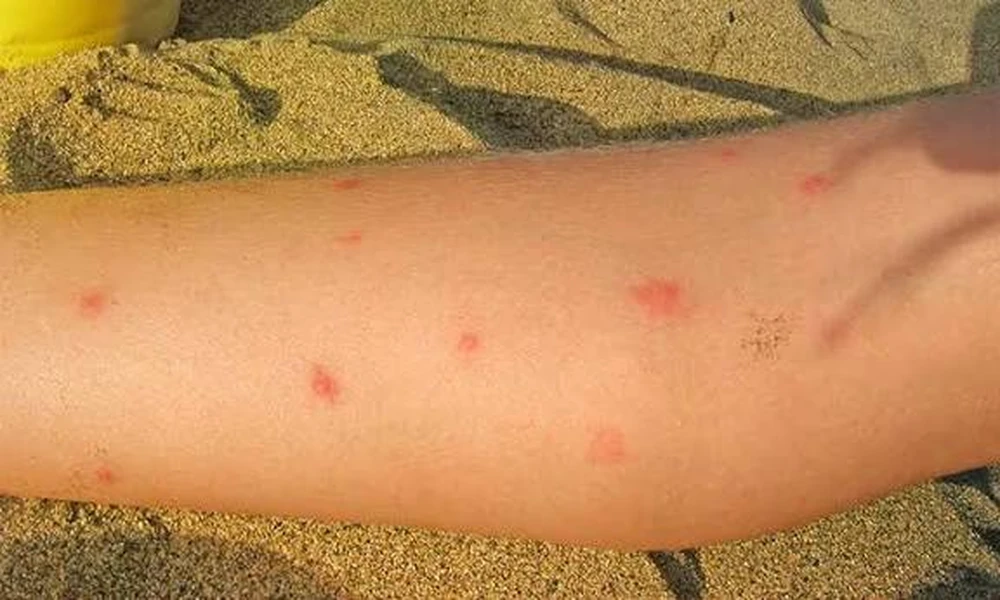
No-see-ums, commonly referred to as biting midges, are tiny pests that thrive in moist environments. They tend to be most active during dawn and dusk. Their bites can lead to significant irritation and allergic reactions, which makes understanding their behavior essential for effective control strategies.
While unlike mosquitoes, no-see-ums don’t transmit serious diseases to humans, they can pass on parasites to animals, causing concern among pet owners. Moreover, their bites can spark infestations, resulting in considerable discomfort for residents.
To prevent no-see-ums, it’s advisable to remove standing water, install fine mesh screens, keep yards clean, and use insect repellents containing DEET or Picaridin. These strategies can significantly lessen the chances of encounters with these pesky insects.
In instances where prevention falls short, professional extermination services have insecticides specifically targeted for midges, as well as sticky traps and barrier sprays, to effectively manage serious infestations.
No-see-ums are most active during warmer months; high humidity creates perfect breeding conditions. Conducting seasonal inspections in the spring can help control their numbers before the summer surge.
Successful interventions often revolve around custom pest management strategies that transform outdoor experiences, as seen in families and community centers who have regained enjoyment in their outdoor spaces.
Investing in professional pest control services addresses not just immediate no-see-um issues but also offers long-term solutions to maintain a more comfortable outdoor environment.
Revealing the Myth: What Exactly are No-See-Ums?
No-see-ums, scientifically known as biting midges, are small nuisances that challenge homeowners, especially in regions with wetlands or standing water. Their minuscule size often allows them to evade detection, making their presence more felt through discomfort rather than visibility. They can be as tiny as a grain of sand, yet their bites can result in considerable irritation. Thus, understanding these insects is essential for devising effective control strategies.
Key Characteristics of No-See-Ums That Homeowners Must Know
Many individuals mistakenly identify no-see-ums as merely unnoticeable pests, but the reality is they have unique characteristics that distinguish them. Primarily, they breed in moist environments, with stagnant water being a prime breeding ground. They’re also most active during dawn and dusk, aligning with cooler temperatures-recognizing these patterns can help formulate effective control strategies.
Importantly, their bites can cause severe allergic reactions in some individuals, leading to pronounced itching and discomfort. Some may compare the feel to a mosquito bite; however, the symptoms can last much longer. Since they can bite through clothing, residents need to remain vigilant. Interestingly, pests tend to return to areas where they’ve previously succeeded in feeding, meaning those bitten once might find themselves more susceptible to future encounters.
Health Risks Associated with No-See-Ums: Facts vs. Fears
The anxiety surrounding no-see-ums often arises from misunderstandings. Unlike mosquitoes, no-see-ums aren’t known to carry serious diseases affecting humans. Their bites can vary from minor irritations to pronounced allergic reactions. However, they can transmit parasites to animals, which poses a risk for pet owners.
Studies show that while no-see-ums may not be carriers of major diseases, their bites can indeed lead to infestations.
Despite this, the discomfort these insects cause can become overwhelming. For homeowners, seeking professional help is frequently the best option. Distinguishing facts from fears allows for focusing on effective control and prevention without succumbing to unnecessary worry.
Proven Strategies for Effective No-See-Um Control
Understanding the anatomy of no-see-ums is important, but effective prevention strategies are equally crucial. Professionals advocate various approaches for preventing and controlling these pests.
Expert Recommendations for Preventative Measures
Homeowners should consider implementing a variety of preventative measures to keep these pests at bay. Here’s a list of key actions:
- Remove Standing Water: Get rid of water accumulation in yards that might serve as breeding spots.
- Use Fine Mesh Screens: Installing screens on windows and doors will prevent these tiny intruders from entering homes.
- Maintain Yard Cleanliness: Regularly trim grass and weeds; overgrown vegetation can attract no-see-ums.
- Apply Insect Repellents: Always use repellents with DEET or Picaridin on exposed skin when outdoors.
These tactics may not completely eliminate the issue, but they will significantly minimize encounters. Ongoing monitoring is crucial since conditions can change throughout the season. Many businesses offering pest control consulting services often incorporate these plans into their packages.
Best Practices for Treatment and Ongoing Management
When prevention isn’t enough, it’s vital to turn to proactive treatments. Professional extermination services commonly utilize specific insecticides formulated for midges. These insecticides work rapidly, eliminating adult no-see-ums as well as their larvae.
- Setting Traps: Experts suggest utilizing sticky traps close to breeding sites to capture adults.
- Barrier Sprays: Regularly applying barrier sprays around the perimeter of the home can disrupt their life cycles.
- Fumigants: For severe infestations, fumigants may be used, although these require professional application to ensure safety.
When effectively combined, these best practices create a robust defense against no-see-ums. To sustain pest-free conditions, booking a follow-up with a local company that specializes in pest control can prove invaluable.
Understanding the Seasonal Patterns of No-See-Ums
Recognizing the active periods of no-see-ums empowers homeowners to develop targeted strategies aimed at reducing their presence. Many individuals are unaware of how seasonal patterns impact these insects.
What Time of Year are No-See-Ums Most Active?
No-see-ums typically show increased activity during the warmer months, ranging from late spring through early fall. With this understanding, residents can better anticipate potential infestations. However, their peak activity is frequently short-lived and generally corresponds with high humidity periods.
It’s often overlooked that conducting seasonal inspections in the spring can significantly reduce the no-see-um population even before summer begins. This proactive measure can lead to less discomfort and irritation during the summer months.
How Weather Influences No-See-Um Behavior
Weather conditions are critical in shaping no-see-um habits. Warm, humid days following rain showers create an optimal breeding environment. Conversely, cooler nights tend to drive these pests back into hiding. Homeowners should keep a close watch on shifting weather patterns.
Professionals point out that humidity levels exceeding 70% are especially appealing to no-see-ums.
Implementing thorough control strategies during these high-risk periods amplifies effectiveness. Furthermore, maintaining the health of local vegetation can lower humidity levels around homes, and utilizing expert treatment amidst peak season can help manage no-see-um populations effectively.
Client Success Stories: Real Results from Local No-See-Um Treatments
Real-life examples illustrate the effectiveness of tailored interventions in controlling no-see-um populations. Clients who have adopted these solutions often experience transformed outdoor environments.
Case Studies: Homes Transformed Through Professional Intervention
Take, for instance, a family in Tyngsborough, Massachusetts, who faced ongoing discomfort due to no-see-ums. Overgrown shrubs and a nearby pond created ideal breeding conditions. After seeking assistance from a local company, they implemented a comprehensive pest management strategy. Within weeks, they reported a marked decline in bites, allowing them to enjoy their yard once more.
Another case involved a community center that revamped its surroundings. By collaborating closely with pest control experts, they implemented proactive steps like eliminating standing water and maintaining landscape health. Staff testimonials reflected how community gatherings turned into enjoyable occasions once no-see-ums were no longer a problem.
Testimonials: Client Perspectives on the Impact of Effective Control
Clients often express gratitude at regaining control over their outdoor environments. One homeowner shared, “Before, it felt like I couldn’t even step outside without being bitten.” Following professional treatment, they finally enjoyed summer evenings without discomfort.
Another satisfied client remarked, “Investing in pest control management was undoubtedly worth it. Our family can now relish our backyard, which used to be a no-see-um sanctuary.” Such experiences showcase that effective solutions not only tackle immediate challenges but also provide peace of mind.
These success stories resonate with numerous homeowners battling no-see-um discomfort. They exemplify the tangible benefits local pest control services can deliver in managing these persistent pests.
Achieving a no-see-um-free environment typically requires tailored strategies, expert insights, and continuous management. With the right plan in place, homeowners can regain control of their outdoor spaces and enhance their comfort.
FAQ
What is the lifespan of a no-see-um?
No-see-ums generally have a lifespan of about two to four weeks, influenced by environmental conditions. Warm, humid weather can accelerate their life cycle, resulting in greater populations during peak seasons.
Are there any natural repellents that can deter no-see-ums?
Some natural repellents, such as citronella or eucalyptus oil, may provide mild deterrents against no-see-ums. However, experts typically advocate for more potent options containing DEET or Picaridin for effective protection.
Can no-see-ums affect outdoor pets?
Yes, no-see-ums can bite pets and potentially transfer parasites to them. Pet owners should ensure their animals have appropriate preventive measures, as discomfort can lead to changes in pet behavior.
How do no-see-ums breed?
No-see-ums reproduce in moist environments, primarily favoring stagnant water where larvae thrive. Removing standing water from yards can substantially disrupt their breeding cycle.
What time of day should outdoor activities be avoided to reduce encounters with no-see-ums?
To minimize no-see-um encounters, it’s wise to avoid outdoor activities during dawn and dusk, as these times align with their peak feeding activity. Staying indoors during these hours can lead to a more pleasant outdoor experience.
Is professional pest control necessary for managing no-see-ums?
While some homeowners may achieve limited success with DIY methods, professional pest control services usually offer comprehensive strategies that effectively target both adult and larval populations.
Can landscaping choices influence no-see-um populations?
Absolutely. Landscaping decisions, such as overgrown vegetation and stagnant water features, can attract no-see-ums. Choosing well-maintained yards can help keep these pests away.
What should homeowners expect from a professional pest control consultation?
During a consultation, homeowners can expect a detailed inspection, customized recommendations, and a clear treatment plan specifically targeting no-see-ums. It’s an opportunity to learn effective strategies for ongoing management.
Useful Resources
- U.S. Environmental Protection Agency (EPA)
- Centers for Disease Control and Prevention (CDC)
- eXtension – National Cooperative Extension System
- National Pest Management Association (NPMA)
- Oregon State University Extension Service
- NatureServe
- Bugged Out – Pest Control Resources
- American Insects
- Entomology Today – Insect News and Research
