

The first week is the worst. Your mother is home from the hospital, the discharge papers are stuck to the fridge, and suddenly you’re the nurse. Nobody hands you a manual. So here’s what the people who do this for a living tend to teach families first, from turning schedules to why most of them reach for adult diapers tape style instead of pull-ups.
Turning every two hours
Pressure sores are what home nurses worry about most, and they start faster than families expect. Change the person’s position at least every two hours, day and night.
Back, then left side, then right. Tilt them slightly rather than lying them flat on one hip, and tuck a pillow between the knees and another behind the back. Heels are the spot everyone forgets. A rolled towel under the calves lets them float off the mattress.
Many nurses tape a turning chart to the cupboard door. It sounds fussy. At 4 a.m., when you can’t remember whether it was left or right last time, it isn’t.
Checking the skin every day
Look at the tailbone, hips, heels, shoulder blades and the back of the head once a day, ideally during the sponge bath. Press gently on any red patch. If it doesn’t go pale and then come back, that’s early pressure damage, and the doctor should hear about it this week, not next month.
Keep the skin clean and dry, not caked in powder.
Choosing adult diapers tape style
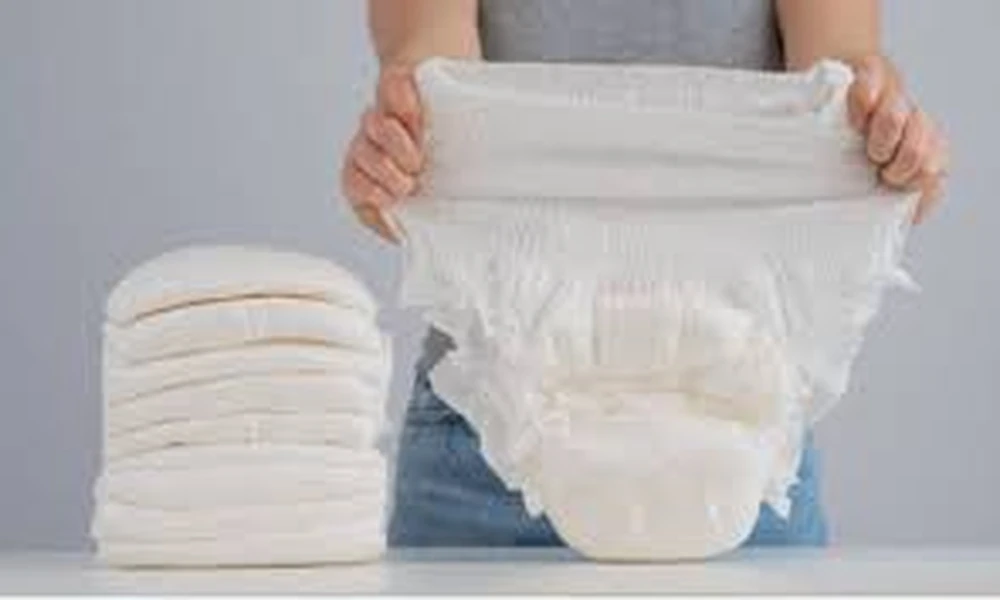
For someone who can’t stand, nurses nearly always prefer adult diapers tape style over pull-up pants. You roll the person to one side, open the tabs, slide the old one out, and the fresh one goes in the same way. No lifting legs. No sitting them up.
Good adult diapers tape style should have tabs that stick more than once. Adjustable tape diapers let you check for wetness, loosen the waist after a meal and refasten without wasting a new one. Friends tape diapers use two resealable tapes, and the Premium version has velcro, so you can open and close it several times a day.
At night, overnight adult diapers tape style plus a disposable underpad means fewer full bedsheet changes. Friends Overnight tape diapers are rated for up to 16 hours, though the skin still needs a look at every turn.
Feeding without choking
Sit them up for every meal, as upright as they can manage, and keep them there for half an hour after. Choking is a real risk when someone lies down all day. Small spoonfuls. Let each one be swallowed. If they cough every time they drink water, tell the doctor.
Water matters too. Bedridden people often drink less so they need fewer changes, and that leads to constipation and urine infections.
Keeping the body and the mind moving
Gently bend and straighten each arm and leg a few times a day, unless the doctor says not to. It stops joints stiffening. Open the curtains in the morning. Keep a clock where they can see it. Talk to them while you work, even about nothing. Days blur together in bed, and a routine gives them some shape back.
Looking after yourself
You can’t turn someone every two hours for months on no sleep. Share night shifts if you can. Lift with bent knees. Take a nap when they take theirs.
Conclusion
Most good home care is repetition: turn, check, clean, feed, talk, repeat. Get the turning schedule right, look at the skin daily, and pick adult diapers tape style that make changes quick rather than a wrestle. Adjustable tape diapers and an underpad will save you more bedsheets than you’d believe. And when something looks wrong, call early. Any home nurse would rather hear about a red patch than treat a sore.
