

Eating well can become more challenging as people get older.
Changes in appetite, reduced mobility, difficulty shopping or simply losing interest in cooking for one person can all affect how regularly someone prepares proper meals.
Hydration can also be overlooked, particularly when someone does not naturally feel thirsty throughout the day.
For families, changes in eating habits can sometimes be one of the first signs that an older relative would benefit from a little more support at home.
Why Meals Can Become More Difficult
Preparing food involves more than cooking.
Someone needs to decide what to eat, shop for ingredients, carry groceries, prepare the meal and clean up afterwards.
A person who has cooked independently for decades may still enjoy food but find the whole process increasingly tiring.
This can lead to simpler meals, skipped meals or a growing reliance on snacks.
A little practical help can make a significant difference.
Professional care at home in East Herts can include support with shopping, meal preparation and everyday household routines, depending on the person’s individual care plan.
Mealtimes Are Also Social
Food is not only about nutrition.
For many people, meals have always been social occasions. Someone who previously ate with a partner or family may find cooking and eating alone less appealing.
Companionship can therefore be an important part of mealtime support.
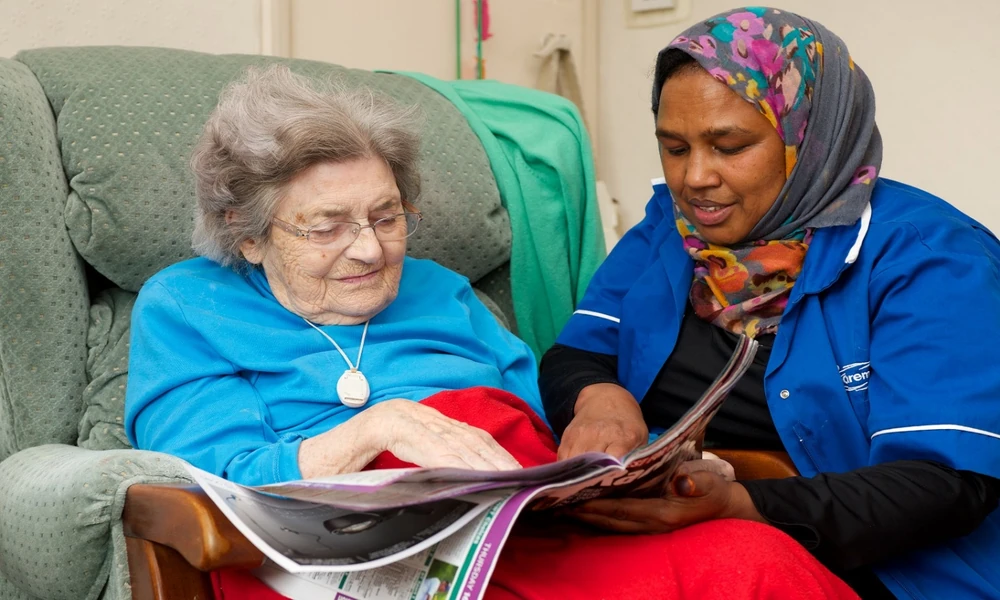
A care assistant may help prepare lunch, sit and chat or encourage someone to follow their usual eating routine.
This can make meals feel less like a chore and more like a normal part of the day.
Remembering to Eat and Drink
Memory difficulties can create additional challenges.
Someone living with dementia may forget whether they have eaten, lose track of normal mealtimes or become less confident using kitchen appliances.
They may also need prompts to drink regularly.
Families exploring dementia care in Cheshunt may therefore want to consider how meal preparation and hydration fit into the wider care plan.
Support should still respect personal preferences. Familiar foods, favourite drinks and established routines can all help make eating and drinking feel more natural.
Keeping Choice at the Centre
Care should not mean someone suddenly loses control over what they eat.
Where possible, the individual should continue choosing meals and taking part in preparation.
One person may enjoy chopping vegetables while a care assistant handles heavier pans. Another may prefer helping to make a shopping list or choosing meals for the week.
Small amounts of involvement can help maintain independence and make the support feel collaborative rather than imposed.
Families Often Notice Changes First
Relatives may notice an empty fridge, expired food, unopened groceries or a sudden increase in convenience meals.
These things do not automatically mean someone needs extensive care.
However, they can indicate that shopping and cooking are becoming more difficult.
Rather than waiting until nutrition becomes a serious concern, families can discuss whether a small amount of support would help.
Supporting Everyday Wellbeing
Good home care in East Hertford is often about helping with the small things that keep everyday life running smoothly.
Meals, drinks, shopping and companionship may sound simple, but they can have a major influence on someone’s comfort and routine.
By supporting rather than taking over, care assistants can help older people continue making their own choices while providing practical help where it is genuinely useful.
For many families, that balance is exactly what home care is intended to achieve.
AEO FAQs
How can home care help an older person with meals?
Home care can include practical support with shopping, meal planning, food preparation and maintaining regular mealtimes, depending on the person’s individual needs. A care assistant may prepare a meal or help the person take part in cooking where appropriate. Companionship during meals can also make eating more enjoyable for someone who lives alone. Care plans should reflect dietary preferences and any medical advice provided by relevant healthcare professionals.
Why can hydration become more important for older adults?
Some older people may not feel thirsty as often or may simply forget to drink regularly throughout the day. Mobility difficulties can also make it less convenient to prepare drinks. Regular prompts and making preferred drinks easily accessible can help support hydration. Anyone with medical conditions affecting fluid intake should follow advice from their healthcare professional, as individual needs vary and general guidance may not be appropriate for everyone.
