

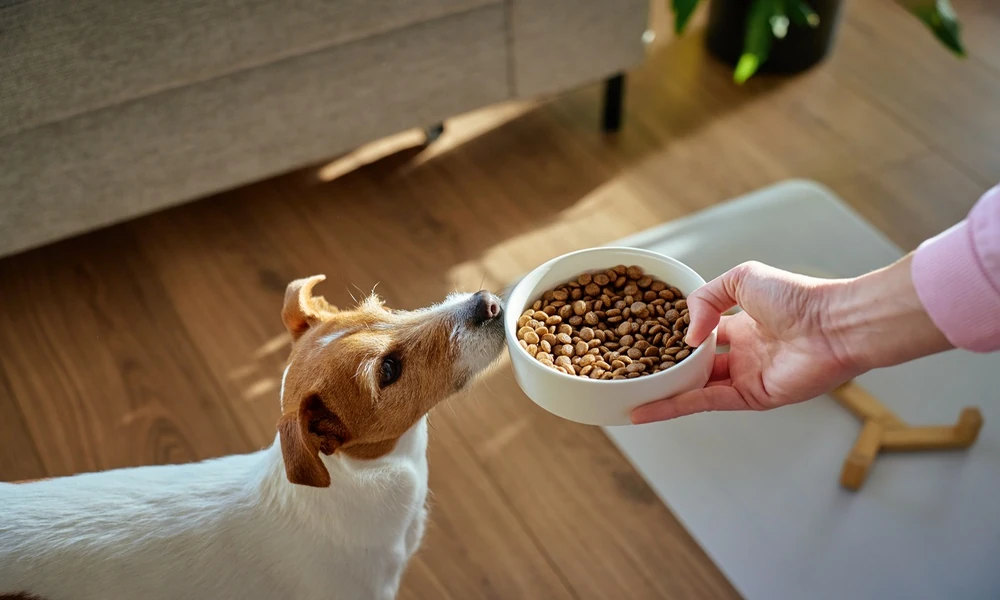
Freeze-dried dog food has moved from a niche product used primarily by raw-feeding enthusiasts to a mainstream category carried by major pet retailers. The growth has brought both genuine innovation and significant marketing inflation – understanding what the process actually does helps cut through the claims.
The Freeze-Drying Process
freeze dried dog food is produced by freezing raw ingredients and then removing moisture through sublimation – a process that converts ice directly to vapor without passing through a liquid phase. The result is a product with the nutritional profile of raw food but with the shelf stability of dry kibble.
The Association of American Feed Control Officials regulates freeze-dried pet food labeling and nutrient profiles. Products labeled as ‘complete and balanced’ must meet the same nutritional standards as conventional pet food – the freeze-drying process doesn’t exempt them from these requirements.
Nutrient Retention
The primary claimed advantage of freeze-drying over conventional kibble production is nutrient retention. High-heat extrusion – used to make most dry kibble – degrades some heat-sensitive nutrients (certain enzymes, some vitamins). Freeze-drying preserves these better, though the practical significance of this difference in a complete and balanced diet is debated among veterinary nutritionists.
Cost Considerations
Freeze-dried food is significantly more expensive per calorie than conventional kibble. Many pet owners use it as a food topper – adding a small amount over conventional food – rather than as a complete diet, which reduces the cost impact while providing some of the claimed benefits.
