

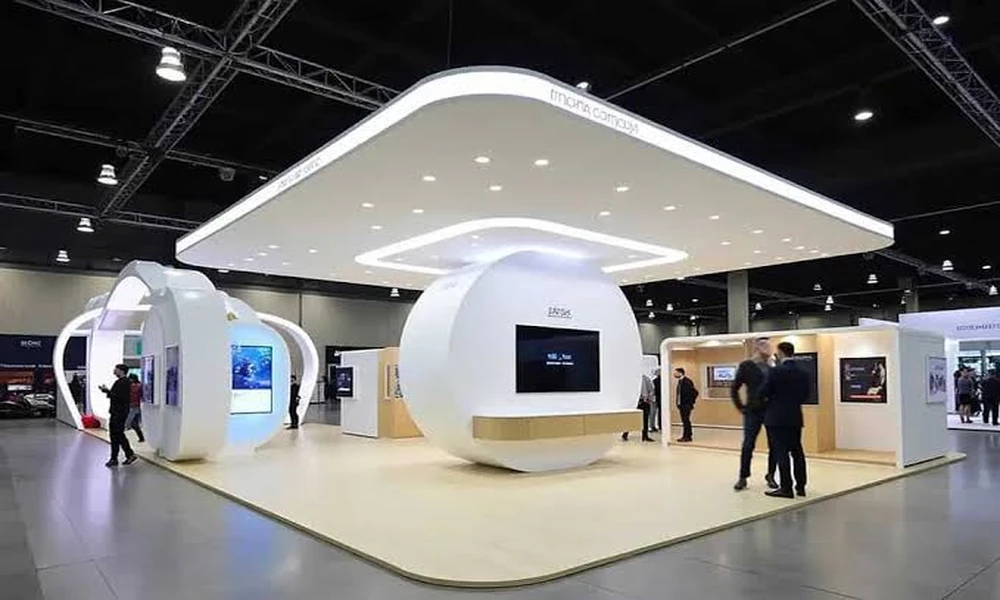
At a busy trade show, visitors pass hundreds of stands in a single day. Most get a glance; only a few get a visit. The difference often comes down to design. Effective exhibition booth design singapore attracts the right visitors, communicates clearly and makes it easy for people to engage. It balances visual impact with practical needs such as meeting space, storage and staff movement. Understanding what makes booths work helps exhibitors get more value from every square metre they pay for.
Start With Clear Objectives
Booth design should be driven by what the exhibitor wants to achieve. Lead generation, product launches, distributor meetings and brand awareness each call for different layouts and features. A booth focused on lead generation needs open, inviting spaces and quick interaction points, while one designed for distributor meetings needs private areas. Defining objectives first ensures the design supports them. It also helps to decide early which products deserve the most visible positions, since space at the front of a stand is limited and valuable.
Visibility From a Distance
Visitors decide quickly whether to approach a booth. Strong visibility helps attract them from across the hall. Hall layouts and neighbouring stands affect sightlines, so check the floor plan and design for the angles from which most visitors will approach. Key elements include:
- Large, clear branding at height
- Bold colours and contrasts that stand out
- Lighting that draws attention
- Simple, memorable headline messages
- Eye-catching products or installations
Messages should be readable from a distance and understood in seconds.
Open and Inviting Layouts
Booths that feel closed or crowded can discourage visitors. Open layouts with clear entry points make people feel welcome. Positioning staff and displays carefully avoids blocking access. Designers often use flooring, lighting and furniture to define zones without creating barriers. The aim is to invite people in while still guiding them toward key areas. Corner and island stands offer more open sides than inline booths, so layouts should be adapted to the plot type rather than copied from a previous show.
Zones for Different Activities
Most booths serve several purposes, so designers often create zones. Common zones include product displays, demonstration areas, meeting spaces, hospitality corners and storage. Each zone should be sized according to its importance and expected use. Clear zoning helps staff manage visitors efficiently and makes the booth easier to navigate. On smaller stands, flexible furniture can allow one area to serve as a demonstration space in the morning and a meeting area in the afternoon.
Interactive Experiences
Interaction keeps visitors at the booth longer and makes the experience more memorable. Product demonstrations, touchscreens, virtual reality, games and live presentations encourage engagement. Interactive elements should be relevant to the brand message and easy to use. Planning for crowd flow around interactive zones prevents congestion. Short interactions of two or three minutes usually work best on a trade show floor, where visitors are trying to see as much as possible in a limited time.
Venue Rules and Practicalities
Exhibitions in Singapore are held at venues with specific rules, and organisers issue manuals covering stand heights, structural requirements, fire-retardant materials, electrical work and build-up schedules. Good exhibition booth design singapore work reflects these rules from the outset, avoiding last-minute redesigns. Designers should also consider access for deliveries, installation time and dismantling requirements.
Lighting and Atmosphere
Lighting affects how products look and how visitors feel. Exhibition halls often have harsh or uneven lighting, so booths benefit from their own lighting design. Spotlights highlight products, ambient lighting creates comfort and accent lighting adds drama. Sound, scent and materials also contribute to atmosphere and help booths stand out. Check whether the venue allows the lighting rig you want, as some halls restrict rigging from the ceiling or require structural approval for heavy fixtures.
Staff and Visitor Flow
Well-designed booths make it easy for staff to engage visitors and manage conversations. Consider where staff will stand, how they will approach visitors and where they can store personal items or brochures. Practical features include:
- Storage space hidden from view
- Charging points for devices
- Comfortable areas for longer conversations
- Clear routes for visitors to enter and exit
- Space for lead capture devices
These details improve efficiency and comfort during long show days.
Reusable and Modular Designs
Exhibitors attending multiple events can benefit from modular booth systems that adapt to different stand sizes. Reusable components reduce costs and waste over time. Designing with flexibility in mind allows graphics and layouts to be updated without rebuilding the entire booth. A modular stand that can scale from a small inline booth to a larger island plot also simplifies budgeting for a full year of events.
Measuring Results
After the event, evaluate the booth’s performance against objectives. Count leads, meetings, product enquiries and social media engagement. Gather feedback from staff on what worked and what did not. Studying examples of trade show stand design can also inspire improvements for future events. Following up leads quickly after the show matters as much as the stand itself, so agree a follow-up process before the event begins.
The Simple Test
Walk past your booth design as a visitor would. If you cannot tell what the company does within five seconds, the design needs simplifying.
